Petroleum industry: reliable connection guarantee under harsh working conditions.
Time:2026-01-17
Views:0
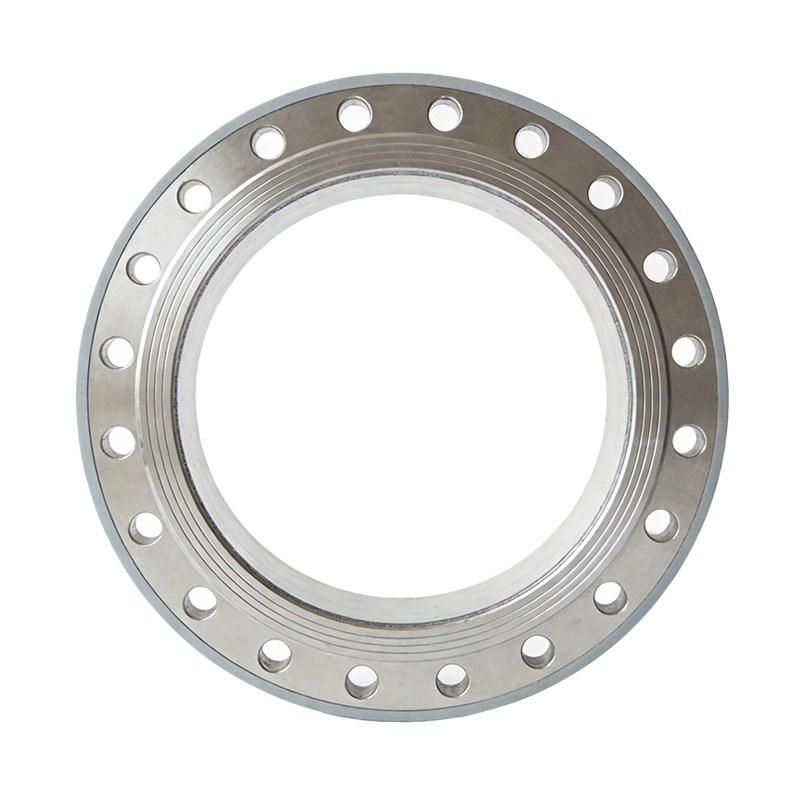
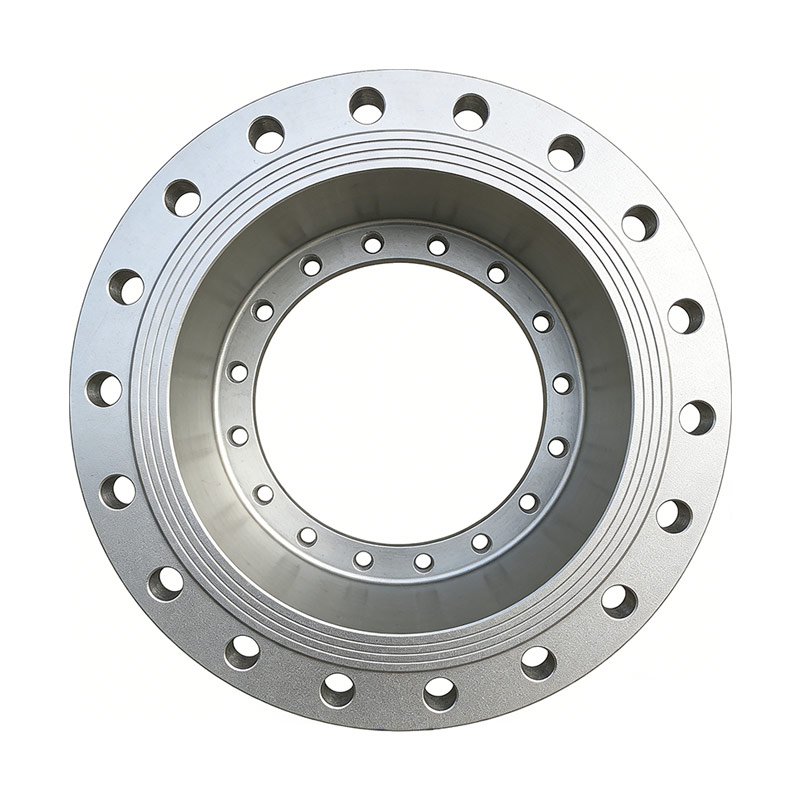
Across the entire industry chain of the petroleum sector, from the Christmas tree and gathering pipelines in onshore oil fields, to the intricate production processes on offshore platforms, and ultimately to the high-temperature and high-pressure equipment in refineries, flanges serve as the core connectors in pipeline systems. Their reliability is directly tied to production safety and efficiency. The petroleum industry operates under extreme conditions, frequently encountering challenges such as high pressure, corrosion (including hydrogen sulfide and carbon dioxide), high temperatures, and severe vibrations. For instance, in deepwater oil and gas development, the flanges used in subsea production systems must withstand extreme hydrostatic pressure and low temperatures. They necessitate the use of special alloy materials and undergo rigorous toughness testing. In the refining and chemical processing stages, flanges in units like hydrocrackers must maintain seal integrity over extended periods in high-temperature, high-pressure hydrogen environments to prevent hydrogen embrittlement and corrosion. To meet these demands, the petroleum industry typically adheres to standards such as API and ASME, opting for high-grade materials like ASTM A694 F65 and A182 F316. Coupled with precise heat treatment processes and non-destructive testing techniques, this ensures that every connection can operate stably in harsh environments, laying a solid foundation for the safe extraction and efficient conversion of energy.



 Home
Home
 Phone
Phone
 Top
Top