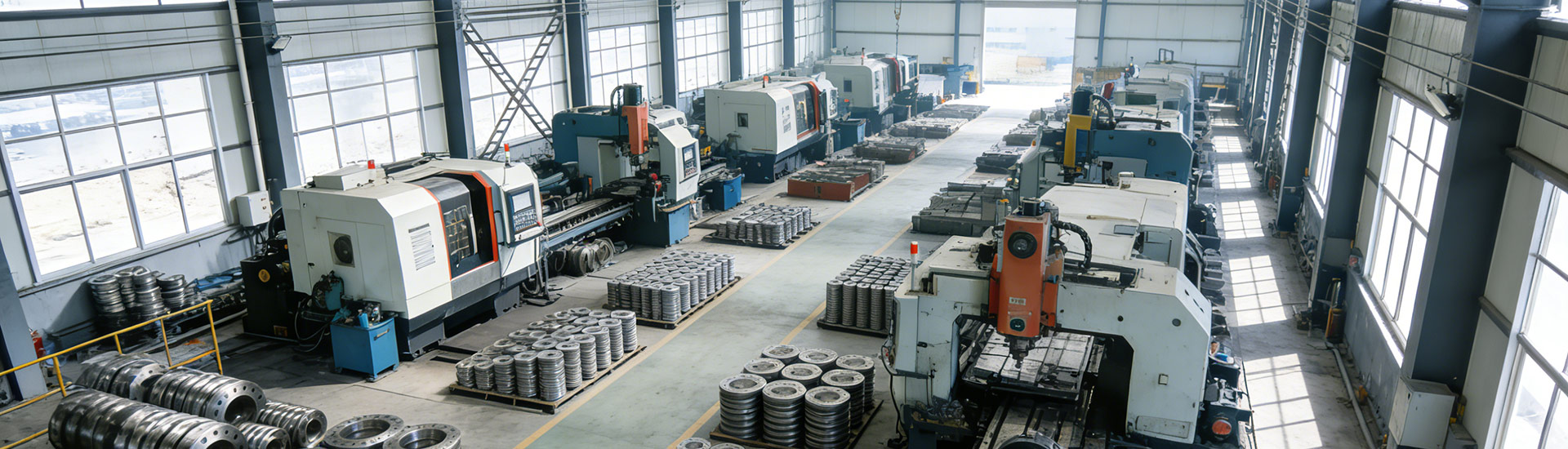
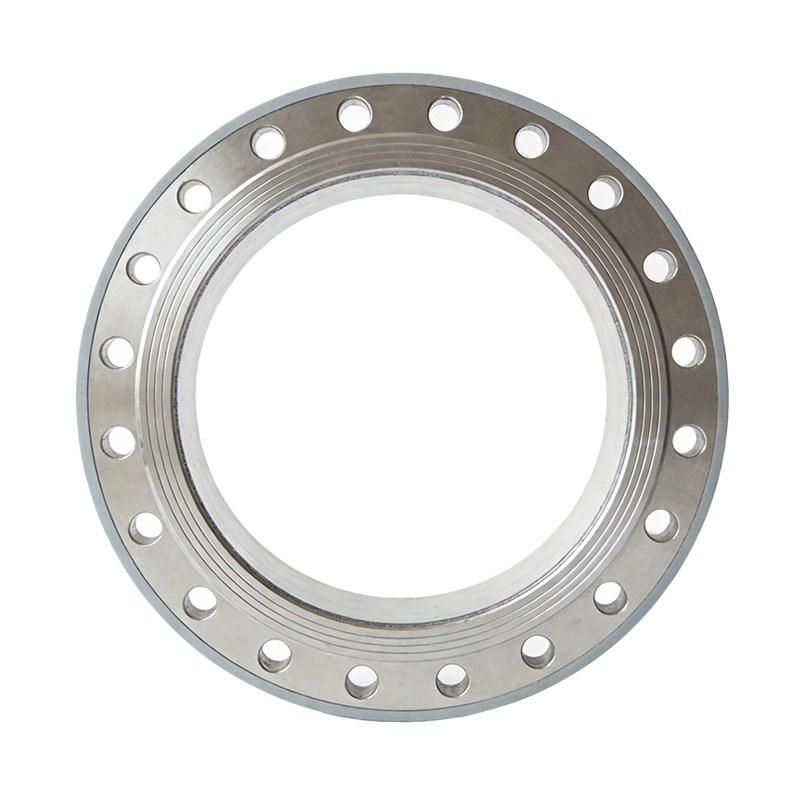
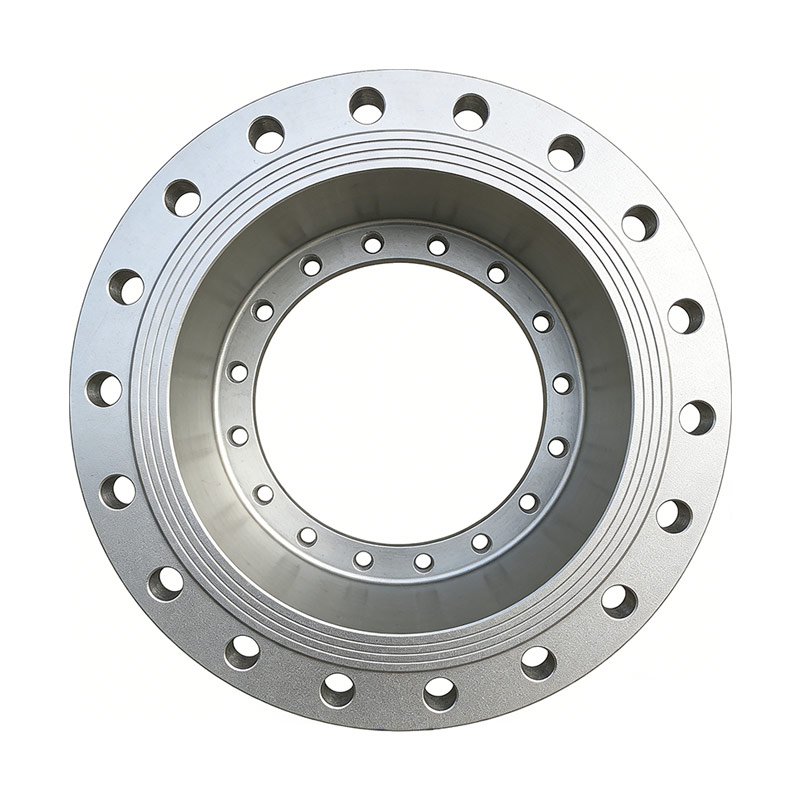
In the power industry, especially in the fields of thermal power and nuclear power, the pipeline systems operate under extreme high-temperature and high-pressure conditions, imposing stringent requirements on the mechanical properties, high-temperature endurance strength, and creep resistance of flanges. In supercritical and ultra-supercritical thermal power units, the temperature of the main steam pipeline can reach over 600°C and the pressure exceeds 25 MPa. The flange materials must be advanced high-temperature alloy steels such as P91 and P92, and precise heat treatment is required to obtain a stable microstructure. Nuclear-grade pipeline flanges in nuclear power plants must meet stricter seismic requirements and quality assurance systems to ensure their integrity under any operating conditions. Furthermore, the thermal fatigue stress generated by the frequent peak shaving operations in power plants requires that the flange design must optimize stress distribution to prevent the initiation of thermal fatigue cracks. Flanges in the power industry strictly comply with specifications such as ASME and RCC-M, and the entire process from material smelting, forging, heat treatment to final inspection is under controlled conditions. They are one of the core pressure-bearing components that ensure the safe, efficient, and continuous operation of power generation equipment.



 Home
Home
 Phone
Phone
 Top
Top