Water conservancy industry: ensuring structural reliability and durability in high-flow transportation.
Time:2026-01-17
Views:0
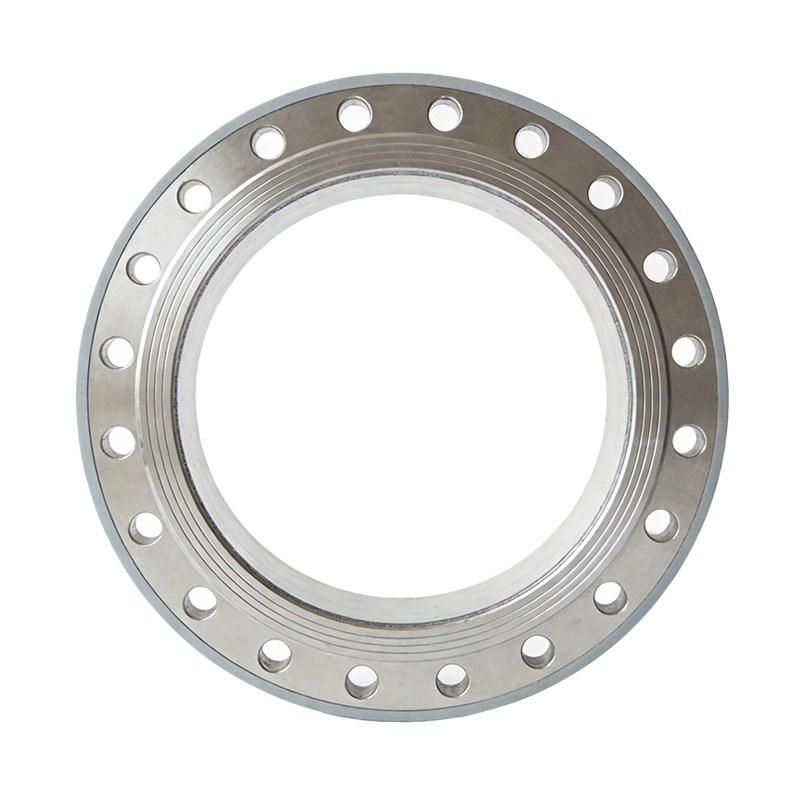
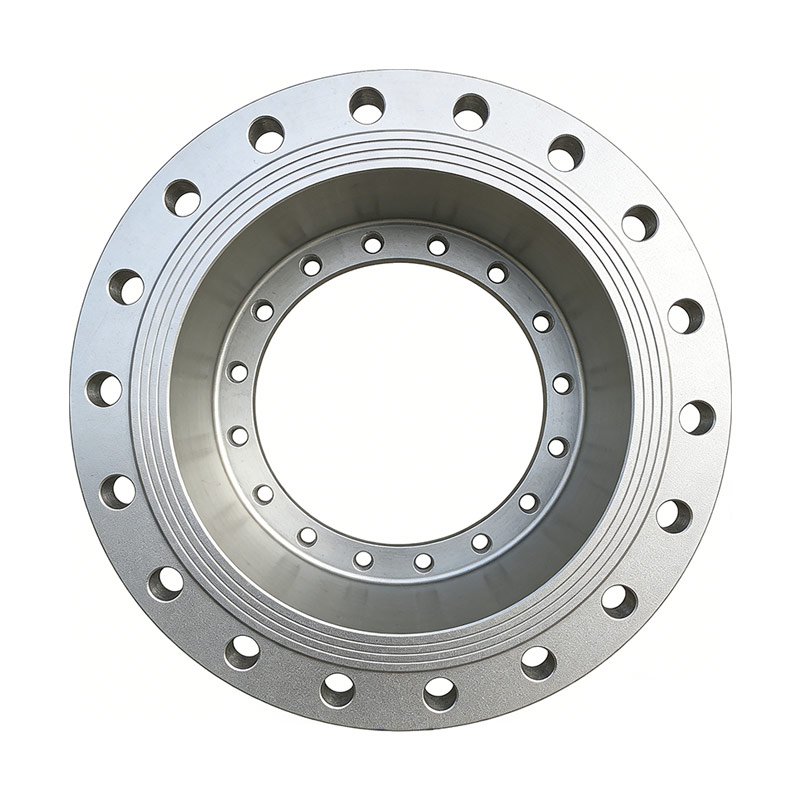
The water conservancy industry encompasses large-scale water diversion projects, reservoir hubs, urban water supply and drainage, sewage treatment, and other fields. Its pipeline systems typically feature large diameters, diverse pressure levels, and complex laying environments (such as underground and underwater). Flanges are mainly used in this industry for pipeline connections at key nodes such as pump stations, valve wells, and water treatment structures. Although the medium is primarily water, it may contain sediment, disinfectants (such as chlorine), or have certain corrosivity (such as sewage), and often bears additional loads such as water hammer impact and foundation settlement. For example, at the outlet of a pump station in a long-distance water conveyance project, large-diameter flanges (above DN2000) require extremely high structural rigidity to resist water hammer pressure; in the aeration tank of a sewage treatment plant, flanges need to resist microbial corrosion and chemical agent erosion. Flanges in the water conservancy industry focus on the overall strength of the structure, the long-term effectiveness of the seal, and the durability of external corrosion protection (such as the use of heavy-duty anti-corrosion coatings). They are an important part of ensuring the long-term stable operation of water conservancy infrastructure and safeguarding the safe allocation and utilization of water resources.



 Home
Home
 Phone
Phone
 Top
Top